
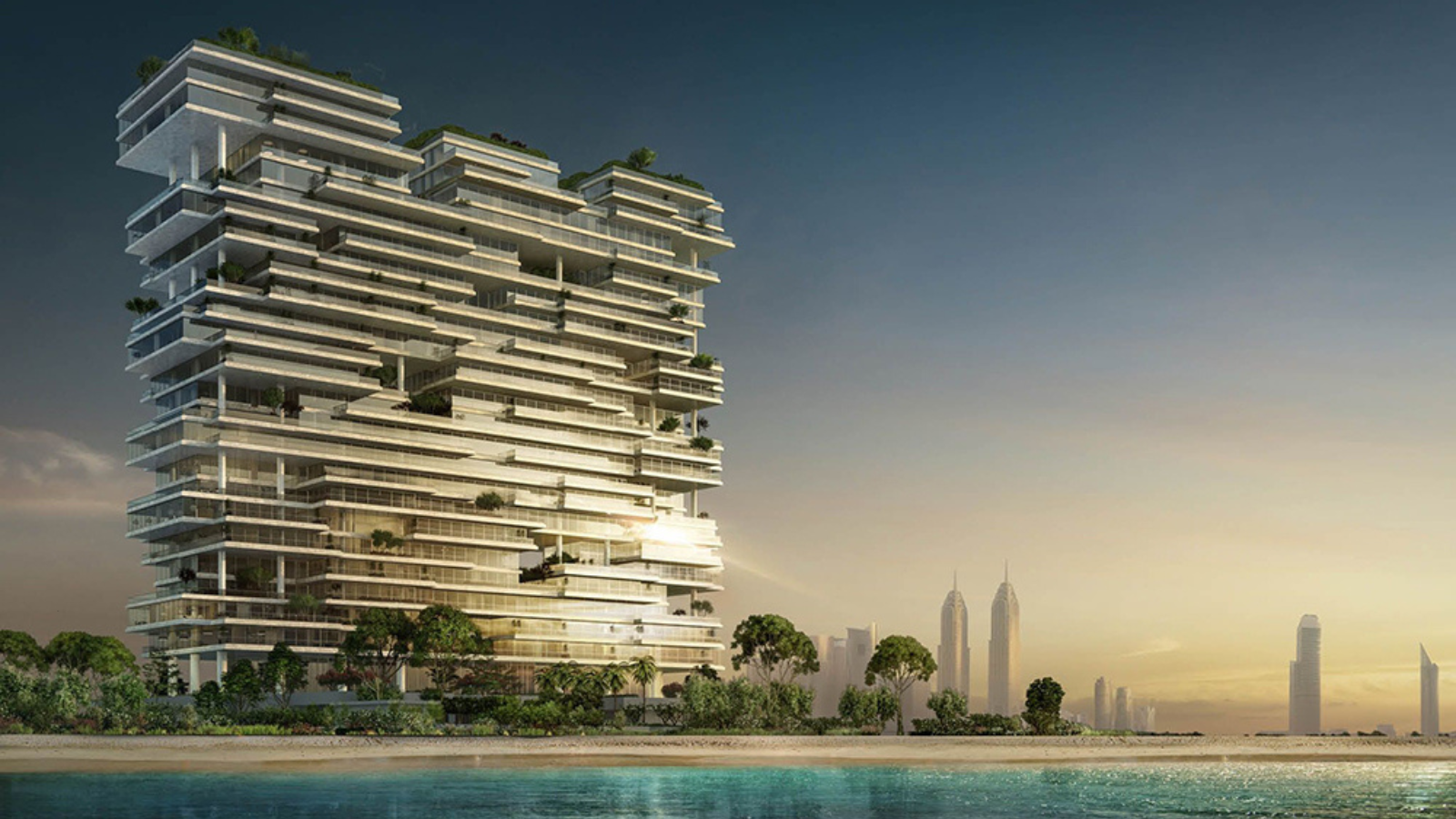
Dubai’s property market continues to attract global attention as investors try to understand whether the market is stabilising, slowing down or preparing for a deeper correction. The latest market discussions suggest something much more measured: Dubai is transitioning into a healthier and more balanced phase, rather than entering a distressed environment.
Over the last several years, the market experienced significant growth driven by international demand, population expansion, regulatory reforms and strong off-plan activity. As prices rose rapidly across many communities, buyers became increasingly concerned about timing, affordability and whether values could continue rising at the same pace indefinitely.
Today, the market is behaving differently. Buyers are taking more time, comparing opportunities more carefully and negotiating more strategically. However, negotiation alone does not mean weakness. A market becoming more selective is very different from a market entering distress.
Key market observations
- Dubai’s real estate market continues to show resilience despite slower momentum.
- There is limited evidence of widespread distress selling across prime communities.
- Villa communities continue to hold strong demand.
- Prime apartment locations remain attractive to investors and end-users.
- Buyers are becoming more analytical and value-focused.
The Difference Between Stabilisation and Distress
One of the most important distinctions investors need to understand is the difference between a stabilising market and a distressed one. In distressed markets, sellers become forced to exit quickly due to liquidity pressure, debt exposure or collapsing confidence. Large discounts begin appearing consistently across multiple segments.
Dubai does not currently appear to be experiencing that type of broad market behaviour. Instead, what we are seeing is a more balanced environment where buyers are no longer rushing into transactions without proper analysis.
This is actually a positive development for long-term investors. Markets that rise too quickly without pauses often become fragile. Markets that stabilise and allow fundamentals to catch up tend to build stronger foundations over time.
Why Villas Continue to Perform Strongly
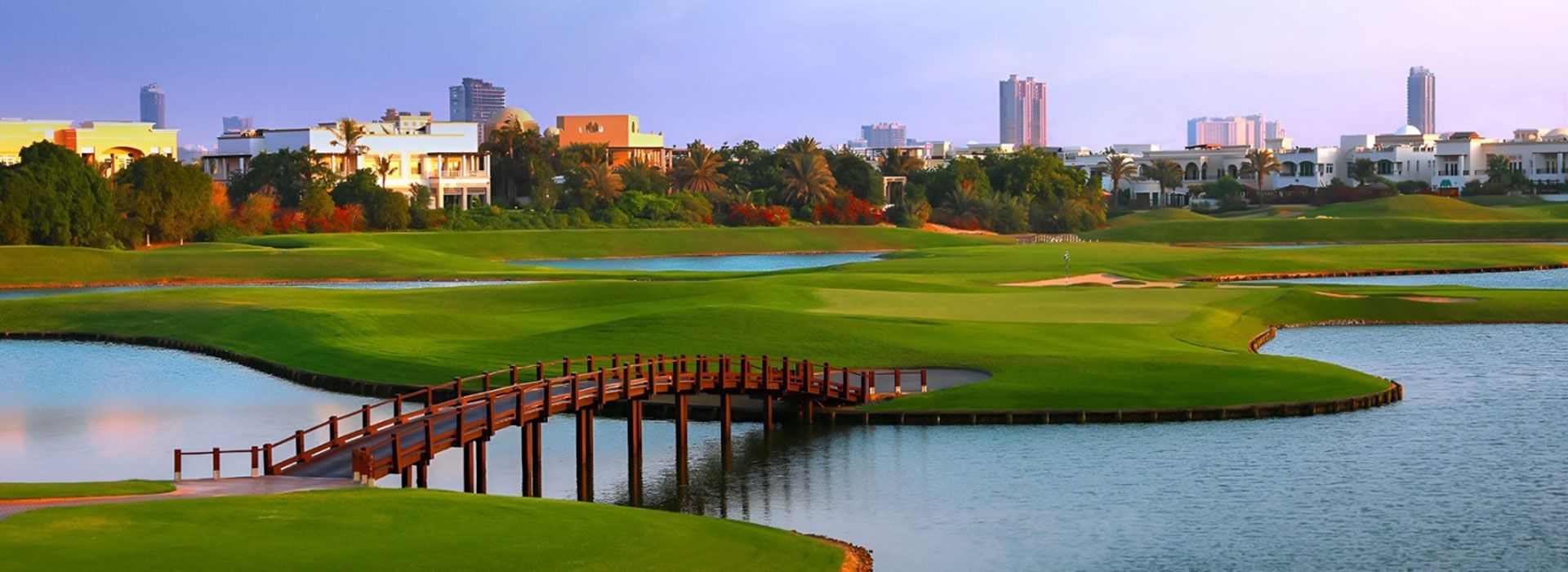
Villas remain one of the strongest segments in Dubai’s real estate market. Communities such as Dubai Hills Estate, Arabian Ranches, Palm Jumeirah and Emirates Hills continue attracting end-users, international families and long-term residents.
Demand for space, privacy and lifestyle quality remains high. At the same time, supply in established villa communities is relatively limited compared with apartment inventory. This creates stronger pricing resilience, especially in mature communities with schools, parks and strong infrastructure already in place.
Buyers today are placing greater importance on community quality, accessibility, landscaping, walkability and family-oriented living. Villa communities that deliver these fundamentals continue to outperform broader market sentiment.
Prime Apartments Still Attract Capital
Prime apartment locations continue to perform relatively well, particularly in areas connected to business districts, waterfront living and established lifestyle infrastructure. Downtown Dubai, Dubai Marina, DIFC and Business Bay continue attracting both owner-occupiers and investors.
However, buyers are becoming more selective about building quality, layouts, service charges and rental demand. Generic apartment stock in oversupplied areas may face greater pricing pressure, while well-positioned units continue holding stronger value.
This is where market maturity becomes important. Investors are no longer simply buying because prices are rising. Increasingly, they are analysing long-term fundamentals, rental sustainability and exit liquidity before making decisions.
“The strongest markets are not the ones that rise endlessly. They are the ones that absorb uncertainty, remain liquid and continue attracting long-term capital.”
What Buyer Behaviour Is Telling Us
Buyers are clearly becoming more strategic. Negotiation has increased, transaction timelines are longer and investors are spending more time comparing communities before committing. This is a sign of a more intelligent market rather than a collapsing one.
During aggressive growth cycles, fear of missing out often dominates decision-making. In more balanced periods, buyers regain leverage and become more analytical. This improves overall market quality because transactions become more fundamentals-driven.
Serious investors are now focusing on factors such as:
- Developer track record
- Community maturity
- Rental demand
- Supply pipeline
- Long-term liquidity
- Infrastructure growth
Why Seller Behaviour Matters
Seller behaviour is often the clearest indicator of market health. If sellers are heavily leveraged or under severe financial pressure, discounting accelerates rapidly. In Dubai today, many property owners remain financially secure and are willing to hold unless pricing expectations are met.
This is especially visible in prime villa communities and lifestyle-led neighbourhoods. Sellers may negotiate, but many are not forced into rapid exits. That holding power is one of the key reasons why widespread distress sales have not materialised.
Buyers looking for opportunities should therefore focus less on waiting for a market crash and more on identifying assets where pricing has become realistic relative to long-term value.
My Perspective
Dubai’s property market is evolving into a more mature environment. The days of indiscriminate growth across every segment are fading, but that does not mean the market is weak. It means investors need to become more selective and more strategic.
The strongest communities continue attracting long-term demand, international buyers and end-users. Sellers remain relatively resilient, and the market still benefits from Dubai’s broader positioning as a global business, lifestyle and investment hub.
For serious investors, this is not a period to panic. It is a period to analyse more carefully, focus on quality and position for the long term rather than chasing short-term noise.
FAQs: Dubai Property Market Stability
Is the Dubai property market slowing down?
The market is becoming more balanced and selective rather than entering a major downturn. Buyers are more analytical, but strong communities continue performing well.
Are there distress sales in Dubai?
While isolated motivated sellers may exist, there is limited evidence of widespread distress sales across the broader market, particularly in prime locations.
Which communities remain strongest?
Villa communities and prime apartment locations with strong infrastructure, schools, lifestyle appeal and limited supply continue to show resilience.
Are buyers negotiating more now?
Yes. Buyers are comparing options more carefully and negotiating more strategically, which is a sign of a healthier and more mature market environment.
Should investors wait for prices to fall?
Rather than trying to time the market perfectly, investors should focus on identifying strong assets in quality communities with long-term demand fundamentals.
Looking for strategic opportunities in Dubai?
If you want to understand which communities are holding strongest, where negotiation opportunities exist and how to approach Dubai’s market strategically, feel free to reach out directly.