Is Now the Best Time to Buy Property in Dubai? A Mid-2026 Market Analysis
Mid-2026 marks a rare convergence of demand dynamics, infrastructure momentum and developer financing innovation. Here is why serious buyers and investors should be paying close attention right now.
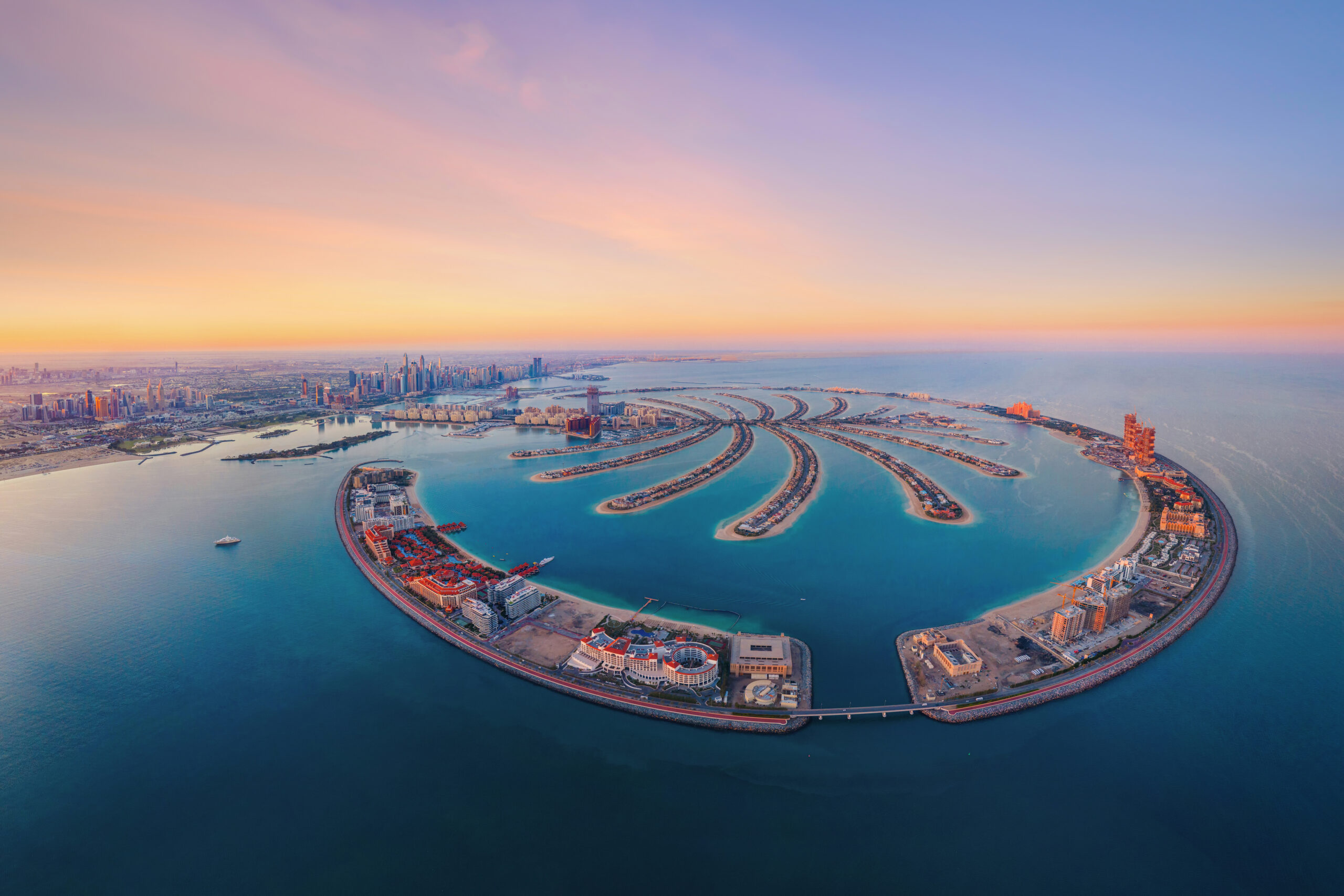
Dubai's property market has always rewarded those who act with conviction. But every few years, a specific window opens — one where the combination of economic conditions, government policy and market momentum aligns in a way that makes entry not just sensible, but strategically compelling. Mid-2026 is one of those windows.
This is not speculation. It is a reading of the fundamentals — the kind that serious investors and end-users should be paying close attention to right now.
1. Demand Is Outpacing Supply in Key Segments
Dubai's population continues to grow at a pace that the real estate market has struggled to keep up with. The influx of high-net-worth individuals, remote workers and regional businesses establishing their presence in the UAE has created sustained demand — particularly in the mid-to-upper residential segments.
What this means in practice: well-located properties in established communities are holding their value and, in many cases, appreciating. The days of oversupply concerns that defined the 2015–2019 cycle are structurally behind us. A more disciplined development landscape, guided by stronger regulatory oversight from the Dubai Land Department, has ensured that new supply is entering the market in a more measured, demand-responsive way.
For buyers, this translates to reduced risk of price compression post-purchase — a critical consideration for both investors seeking yield and end-users protecting their asset value.
Key demand signals
- Continued population growth driven by HNW relocation and business expansion
- Sustained demand in established villa and prime apartment communities
- Regulatory discipline by the DLD constraining speculative oversupply
- International capital continuing to treat Dubai as a safe store of value
2. Infrastructure Investment Is Reshaping Long-Term Value
One of the most powerful drivers of property appreciation in any city is infrastructure development, and Dubai is undergoing a generational build-out. The legacy of Expo 2020 is visible not just in the District 2020 transformation, but in the ripple effects across connectivity, logistics and urban expansion.
Key developments reshaping location value across the emirate:
- New metro extensions and road network enhancements are opening previously underserved corridors, bringing communities that were once considered periphery into the mainstream
- The expansion of Dubai International Airport and continued development of Al Maktoum International Airport reinforce Dubai's position as a global hub — with direct downstream effects on executive housing demand
- Master-planned communities in Dubai South, Mohammed Bin Rashid City and northern emirate corridors are maturing — with retail, schools and healthcare now in place. These are no longer speculative bets; they are established neighbourhoods
Infrastructure investment creates durable, long-cycle appreciation. Buying ahead of full maturation — which is precisely where several Dubai districts sit today — has historically been the most reliable path to capital growth.
"The strongest property markets are not the ones that rise endlessly. They are the ones that absorb uncertainty, remain liquid and continue attracting long-term capital."
3. Payment Structures Have Redefined the Entry Point
Perhaps the most underappreciated shift in Dubai's property market over the past two to three years is the evolution of off-plan payment plans. Developer financing structures — 60/40, 70/30, and post-handover payment plans extending five to seven years — have fundamentally changed what it means to enter the market.
For capital-constrained buyers, this is significant. Rather than requiring full deployment upfront, today's off-plan market allows buyers to secure an asset at current prices while spreading payments over the development cycle and beyond. In an environment where prices are expected to continue their measured upward trajectory, this structure effectively allows buyers to lock in today's value while paying for the asset with tomorrow's income.
For investors, the gross rental yields available in Dubai — consistently in the 6% to 8% range in high-demand residential segments — compare favourably against virtually any comparable global city. London, Singapore and Hong Kong offer yields well below this threshold, with significantly higher entry costs and more complex regulatory environments.
Who Should Be Paying Attention
This market moment is not equally relevant to every buyer profile. But it speaks clearly to three distinct groups:
- Long-term investors who have been watching the market and waiting for a cleaner entry signal. The signal is here.
- Expatriate residents who have been renting in Dubai and absorbing a yield that benefits their landlord, not themselves. The financial and lifestyle case for ownership has rarely been stronger.
- First-time buyers for whom the combination of affordable off-plan price points, favourable payment structures and DLD-backed ownership security creates a more accessible pathway than many assume.
A Final Word on Timing
There is a well-worn observation in real estate: the best time to buy was always yesterday, and the second-best time is today. Clichés persist because they contain truth.
What distinguishes the current moment in Dubai is not manufactured urgency, but the convergence of multiple genuine tailwinds: population growth, infrastructure maturation, developer innovation in payment structures, and a regulatory environment that has earned the confidence of sophisticated international capital.
Those who understand this market — and act accordingly — are likely to look back at mid-2026 as a defining decision point.
Frequently Asked Questions
Is this the right time to buy in Dubai?
Mid-2026 presents a genuine convergence of positive conditions — sustained demand, infrastructure investment and attractive developer payment plans. It is not a perfect moment (no market ever is), but the fundamentals are meaningfully aligned for both investors and end-users.
Which communities are strongest right now?
Villa communities with established infrastructure — Dubai Hills Estate, Arabian Ranches, Emirates Hills and Palm Jumeirah — continue to show strong pricing resilience. In apartments, Downtown Dubai, Dubai Marina, DIFC and Business Bay remain the most liquid and in-demand.
How do off-plan payment plans work?
Developers typically offer structured payment schedules — for example, 60% during construction and 40% on handover. Some extend this further with post-handover plans spanning five to seven years. This allows buyers to secure an asset at today's prices while spreading capital deployment over time.
What yields can investors realistically expect?
Gross rental yields in high-demand residential communities typically range from 6% to 8% annually. This compares very favourably against comparable global cities, where yields are often 2–4% with significantly higher entry costs.
Should I wait for prices to fall before buying?
Rather than attempting to time the market perfectly, the stronger approach is identifying well-located assets in quality communities with durable long-term demand. The risk of waiting for a correction that may not materialise typically outweighs the benefit of attempting to buy at the absolute bottom.
Looking for strategic opportunities in Dubai?
Whether you are an investor evaluating yield potential or an end-user ready to make Dubai your permanent home, the conversation starts here. Get in touch to discuss which communities, payment structures and entry points make sense for your situation.